Back to projects
North Carolina Museum of Art — Renderings
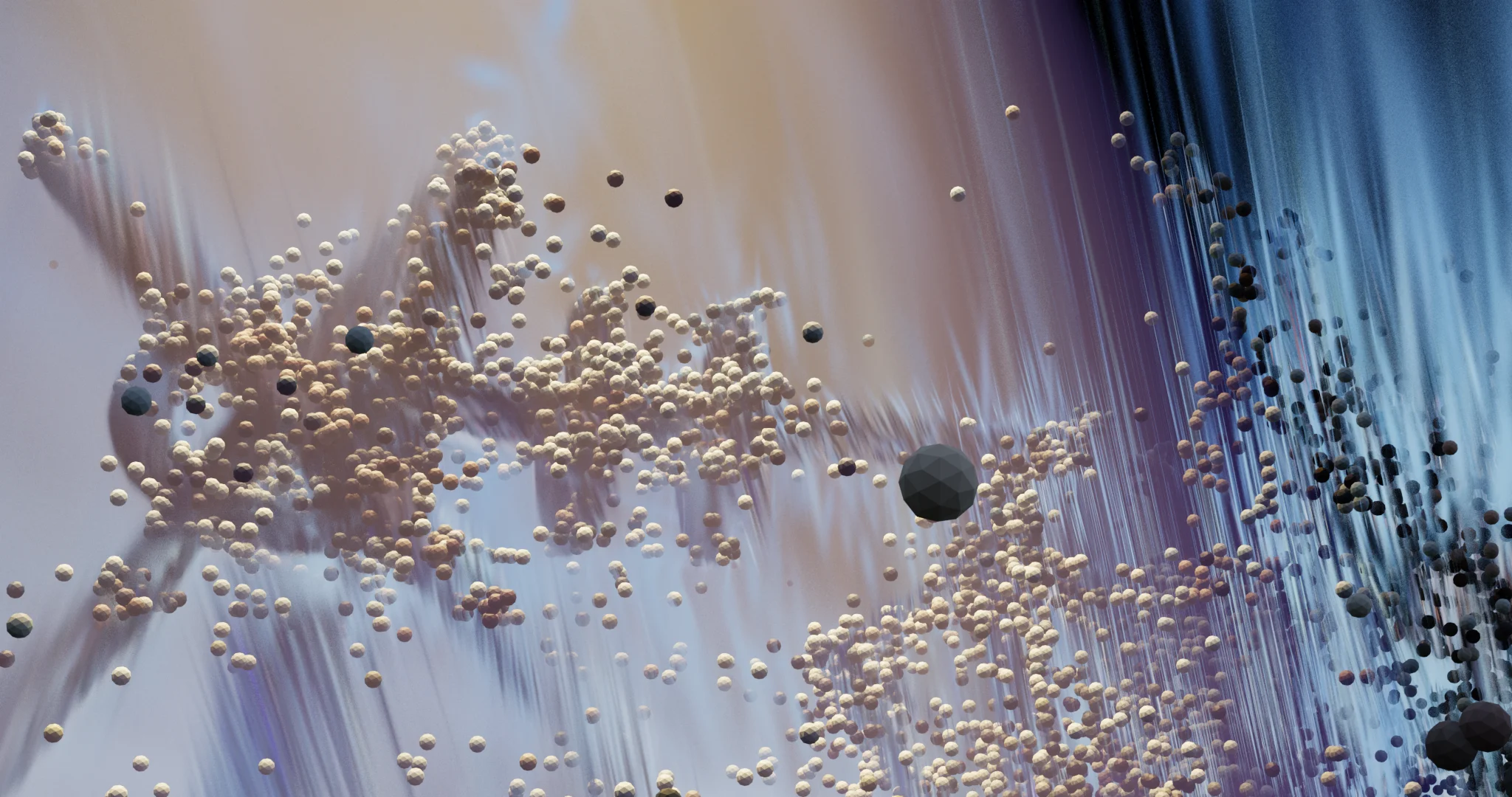
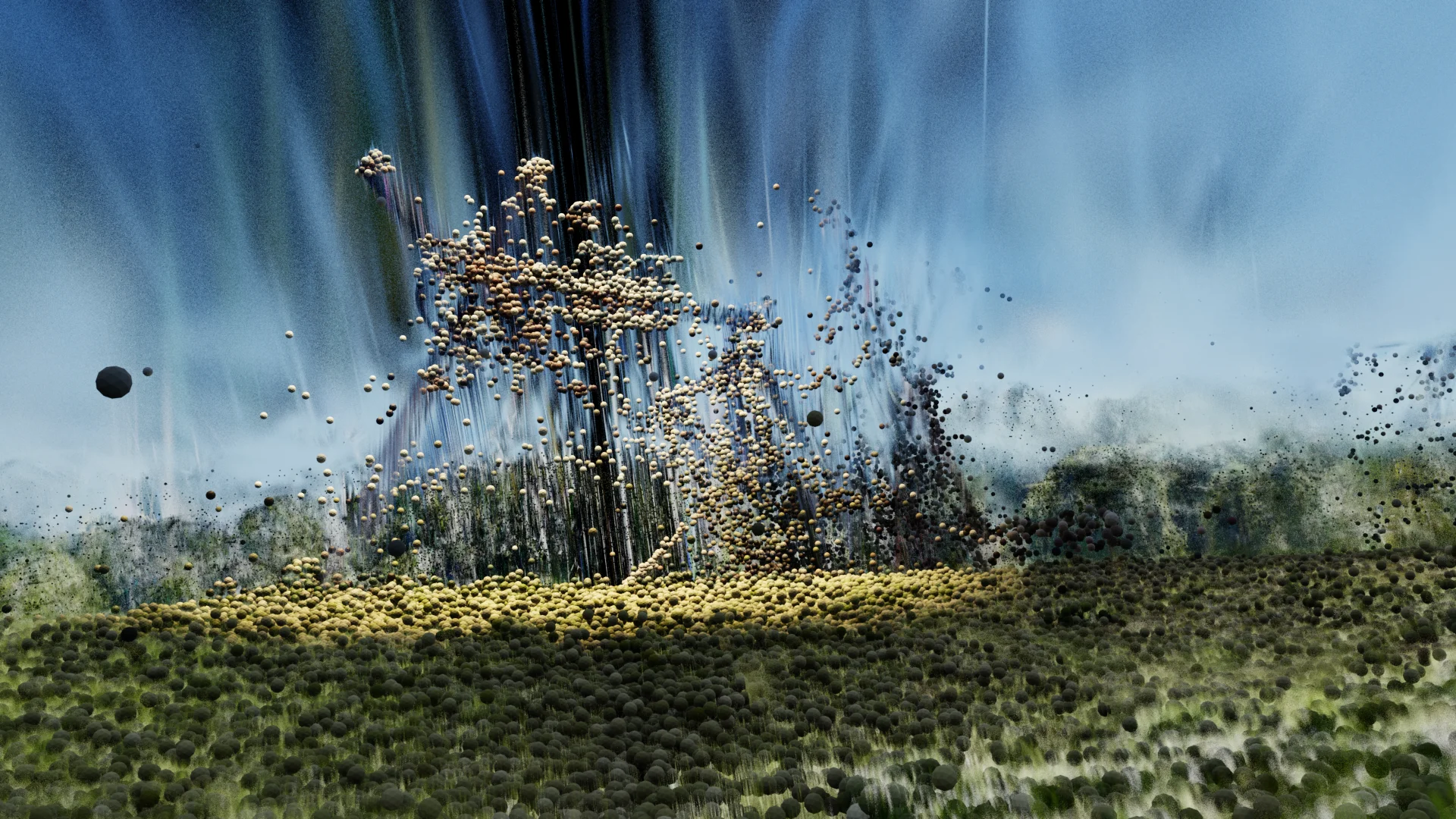
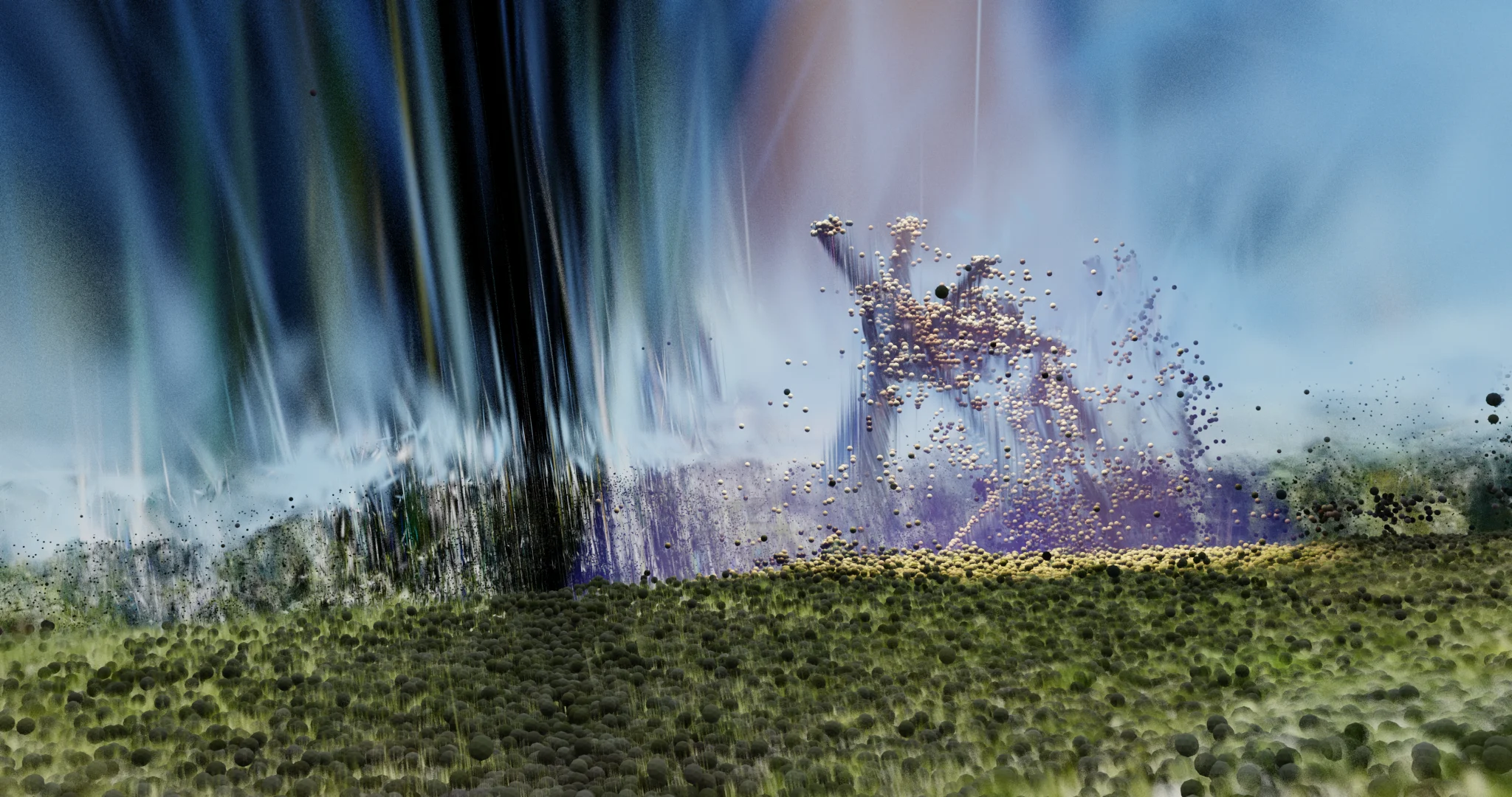
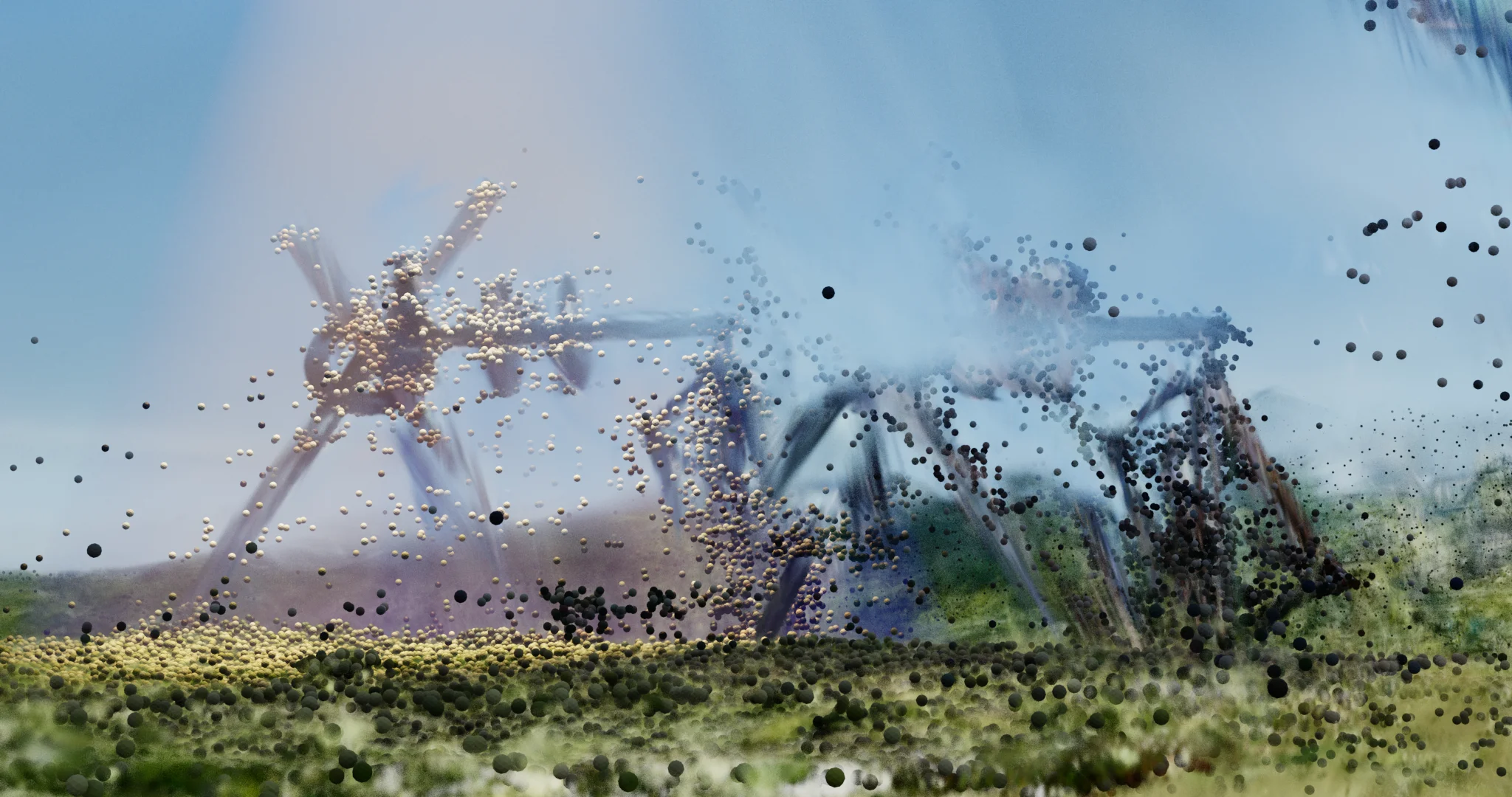
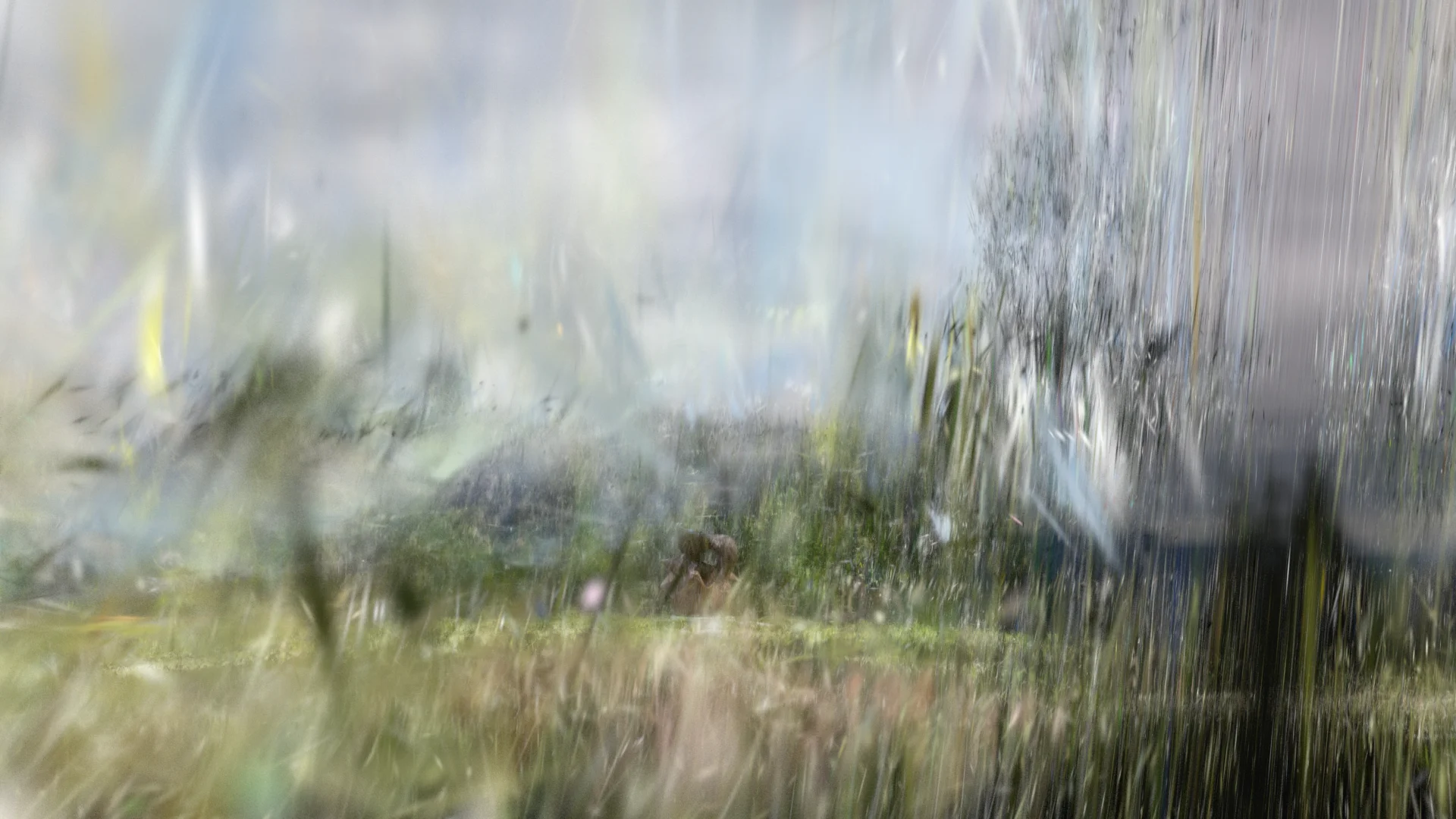
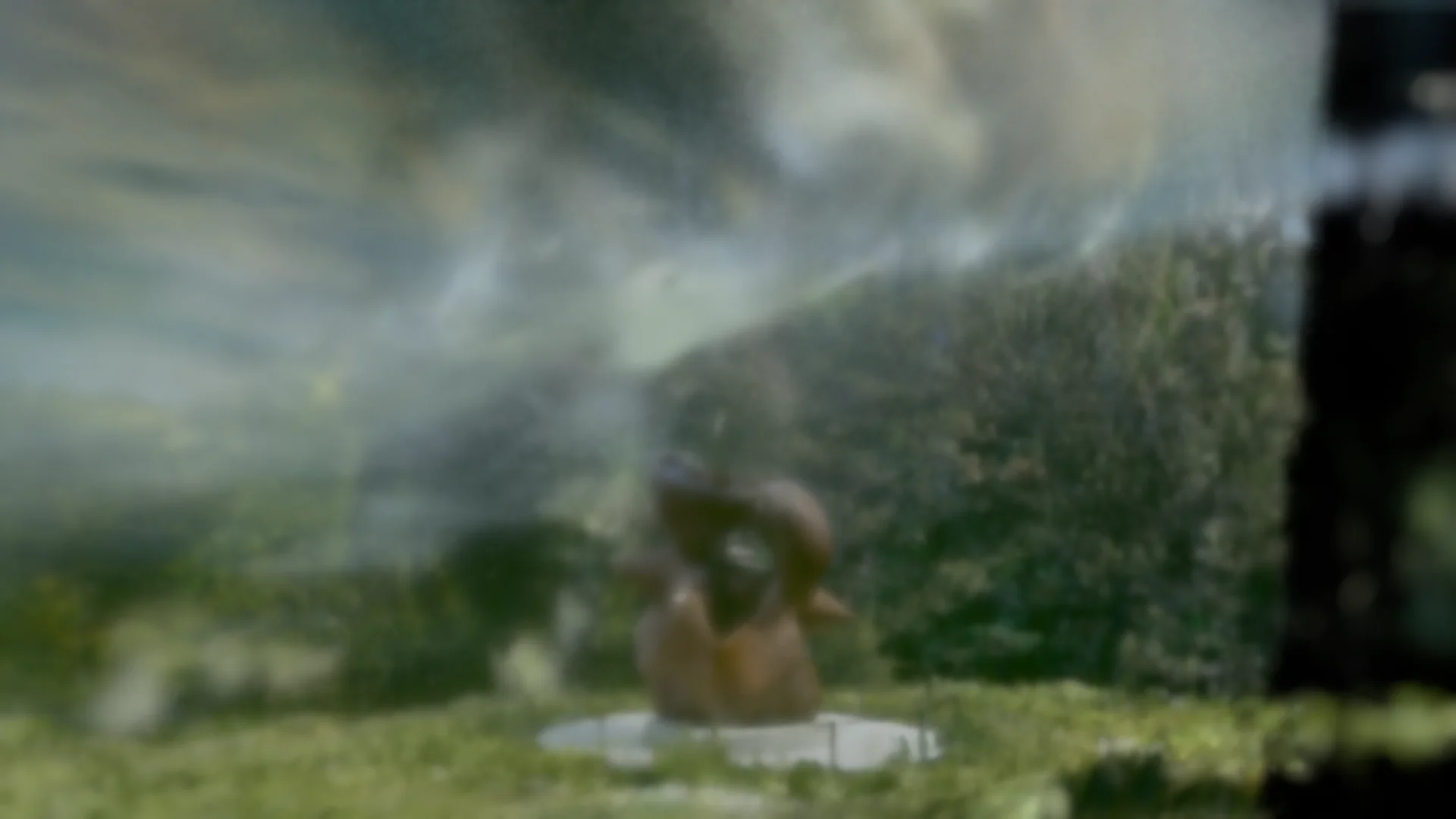
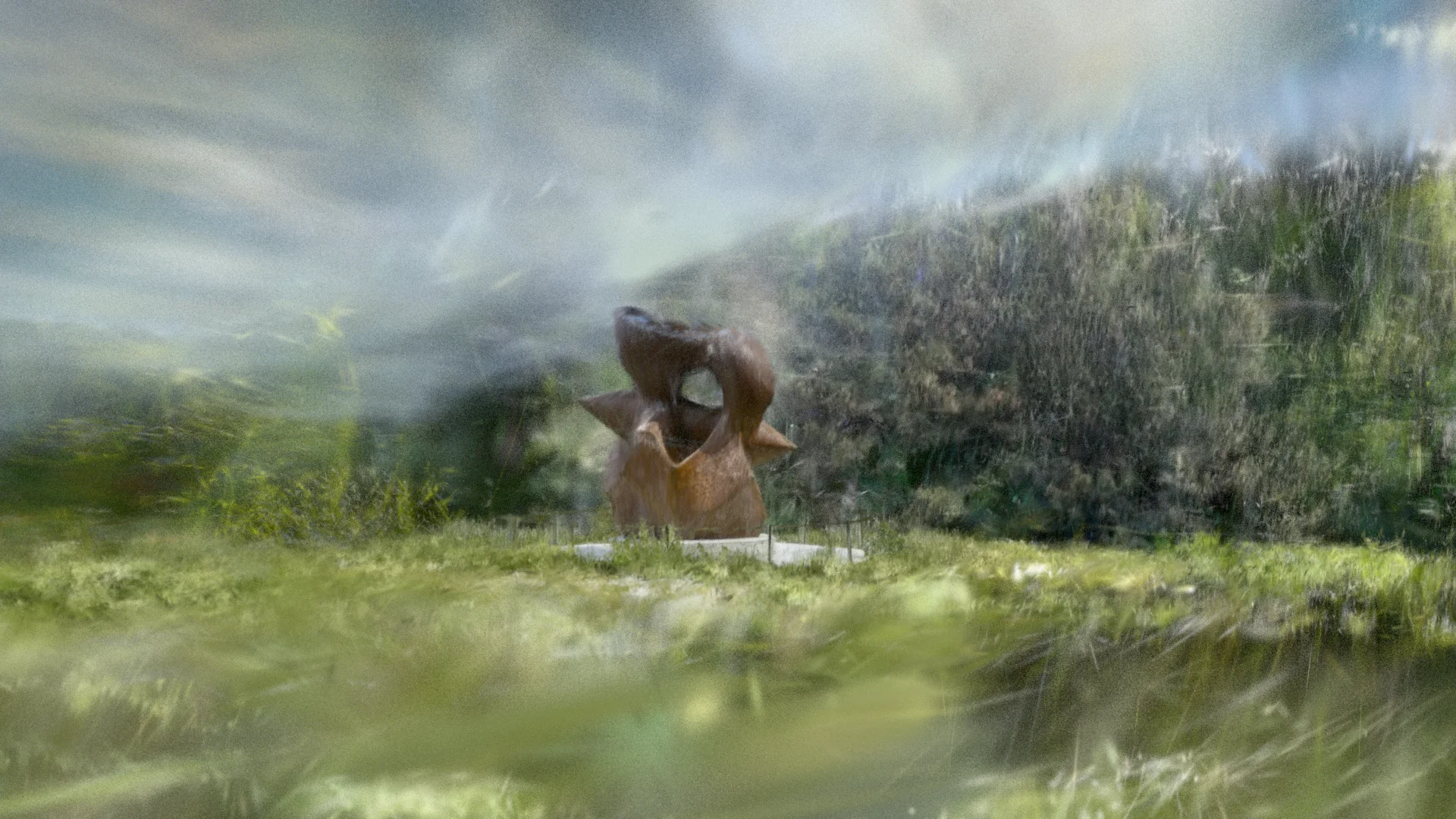
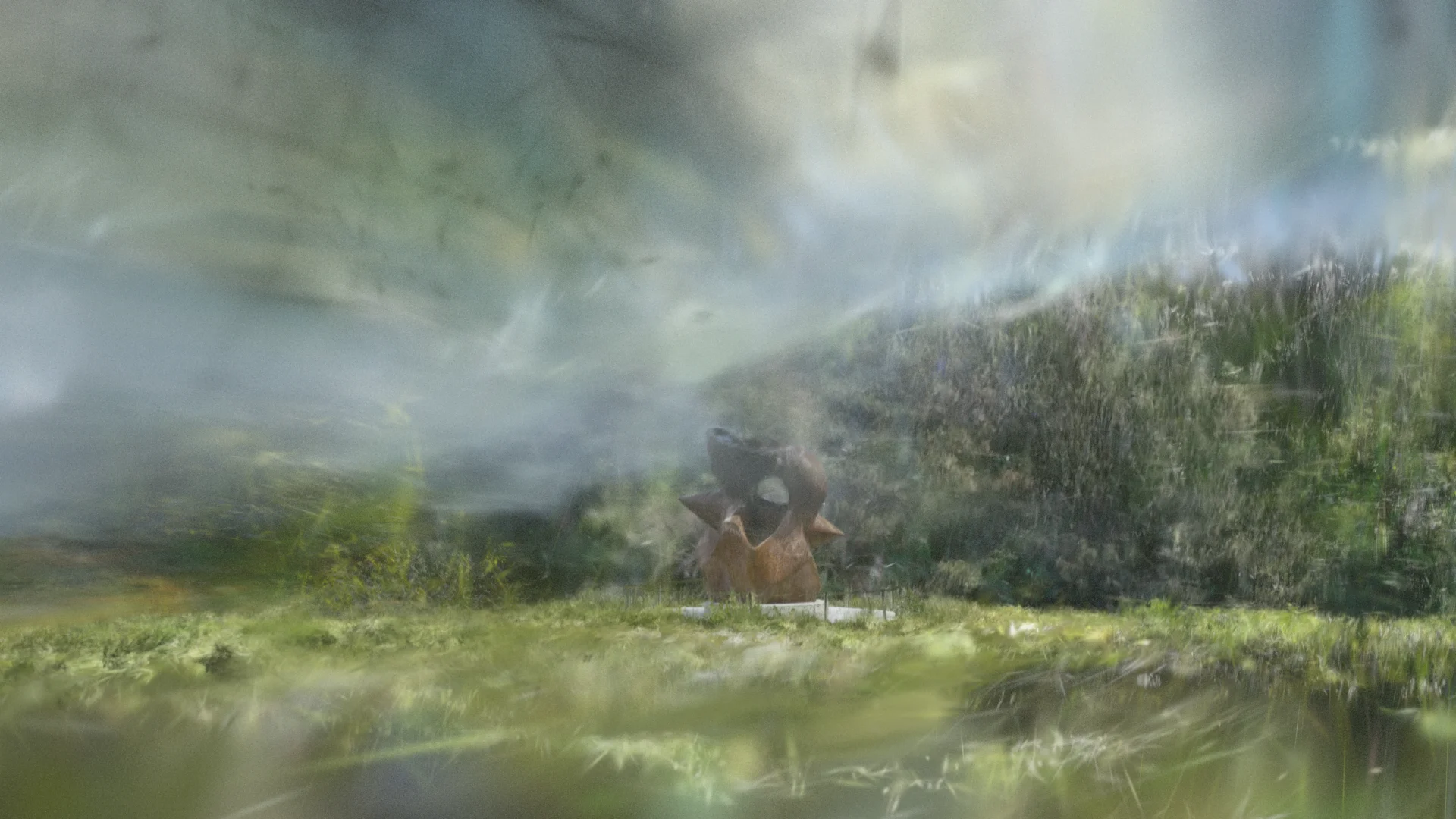
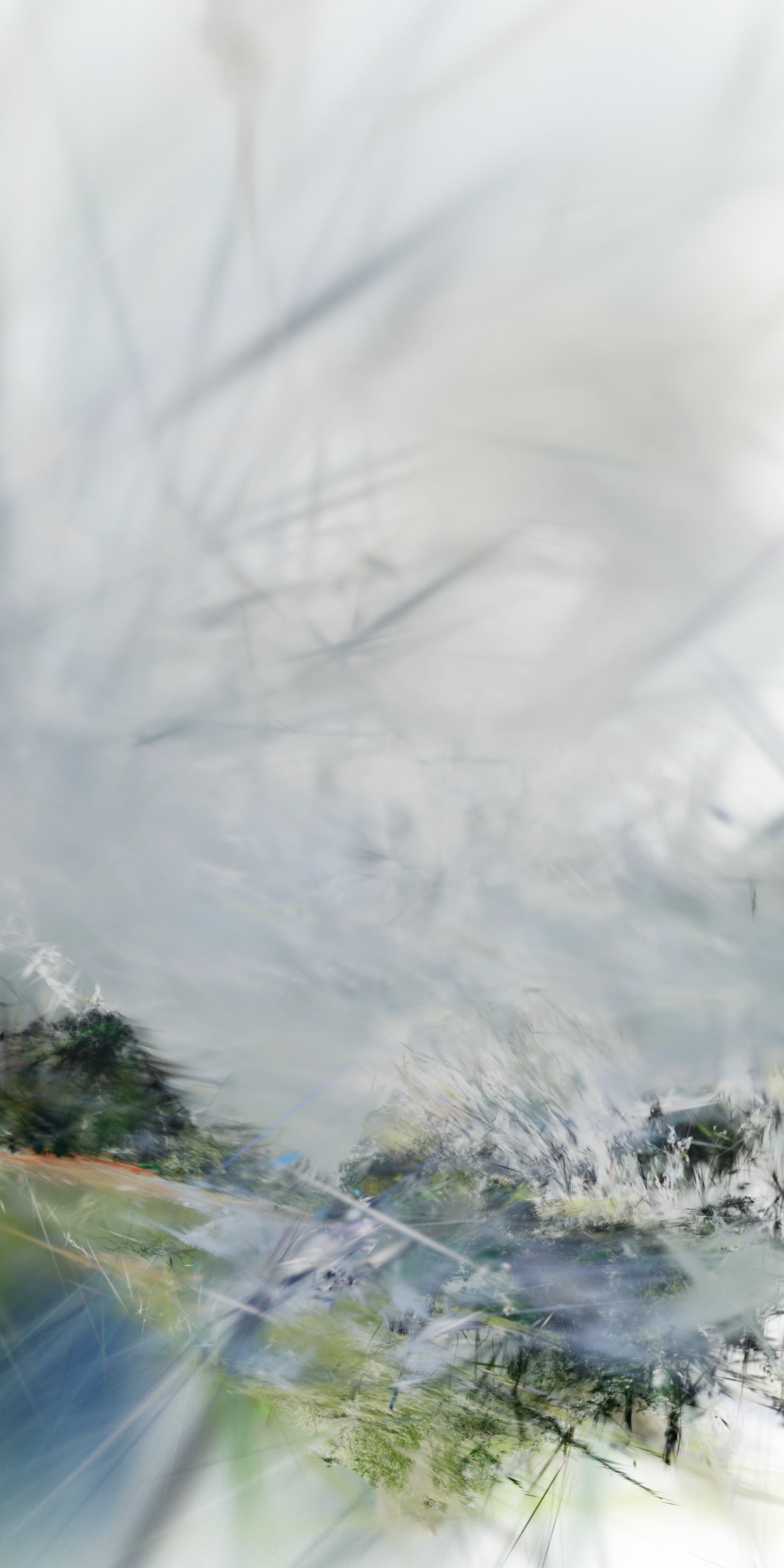
Over 1200 photographs of three sculptures at the NCMA decomposed into orbs, light, and atmospheric volume across successive frames of dissolution.
blender3DGSncmavisualizationexperiment
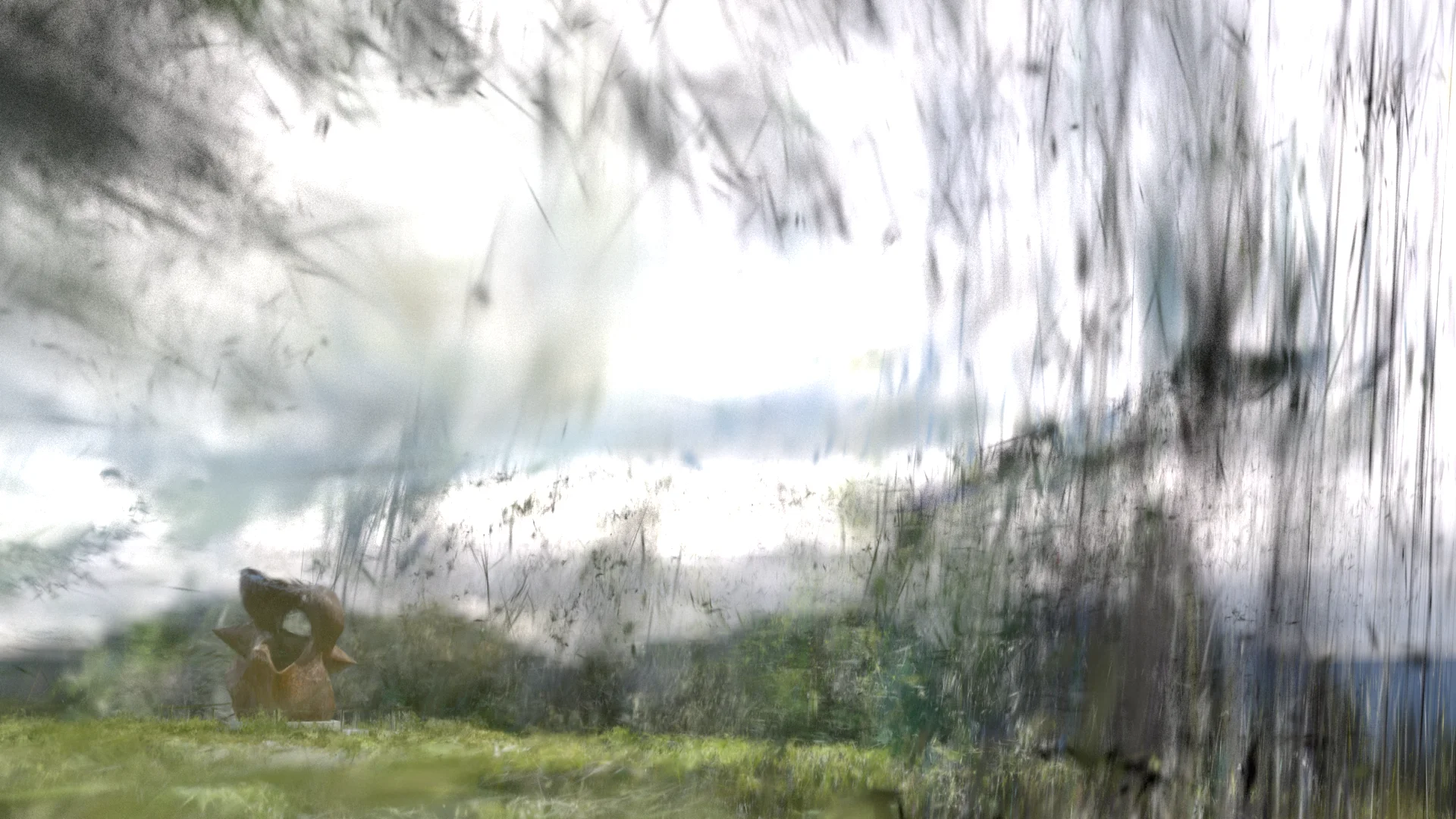
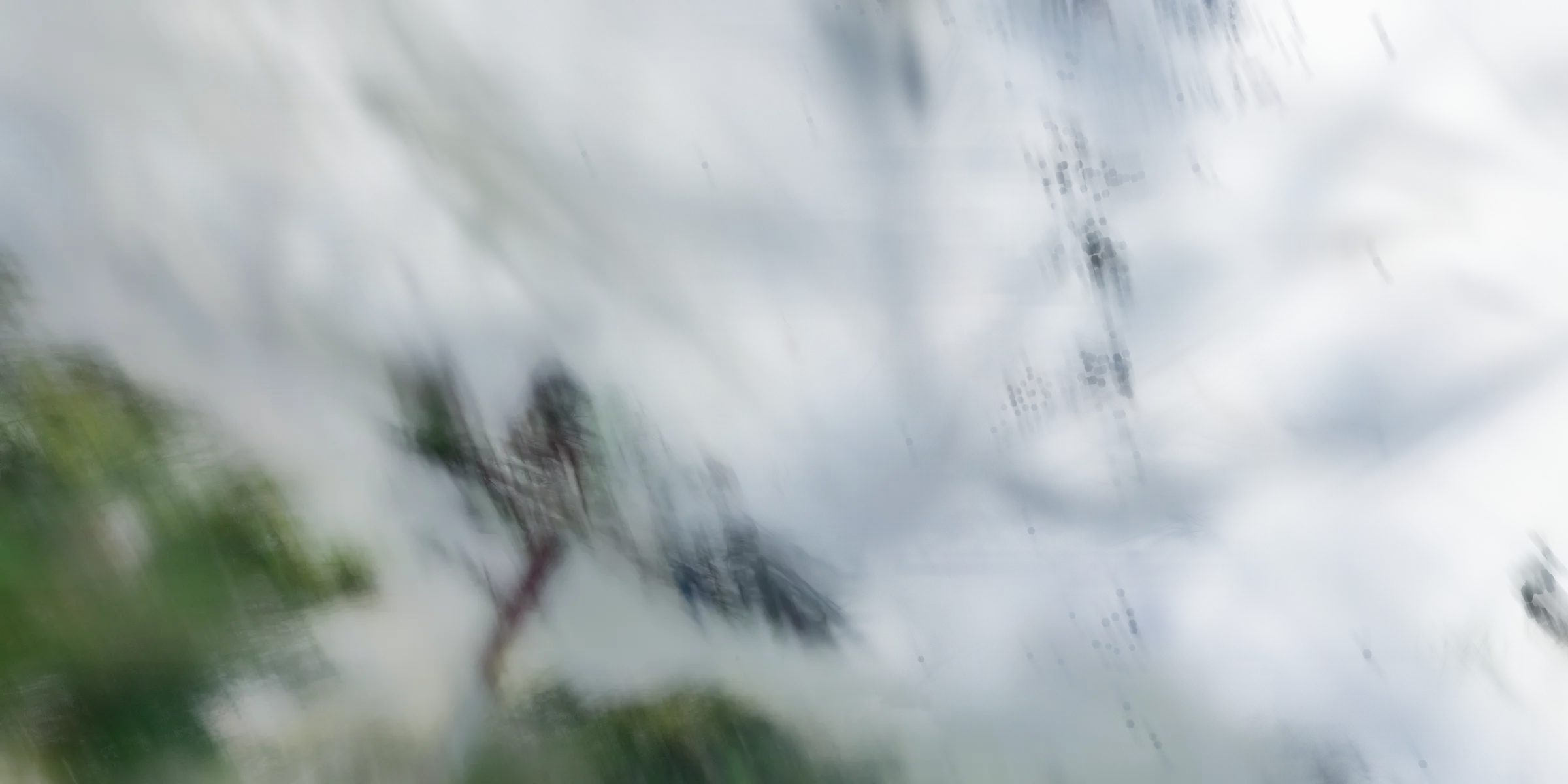
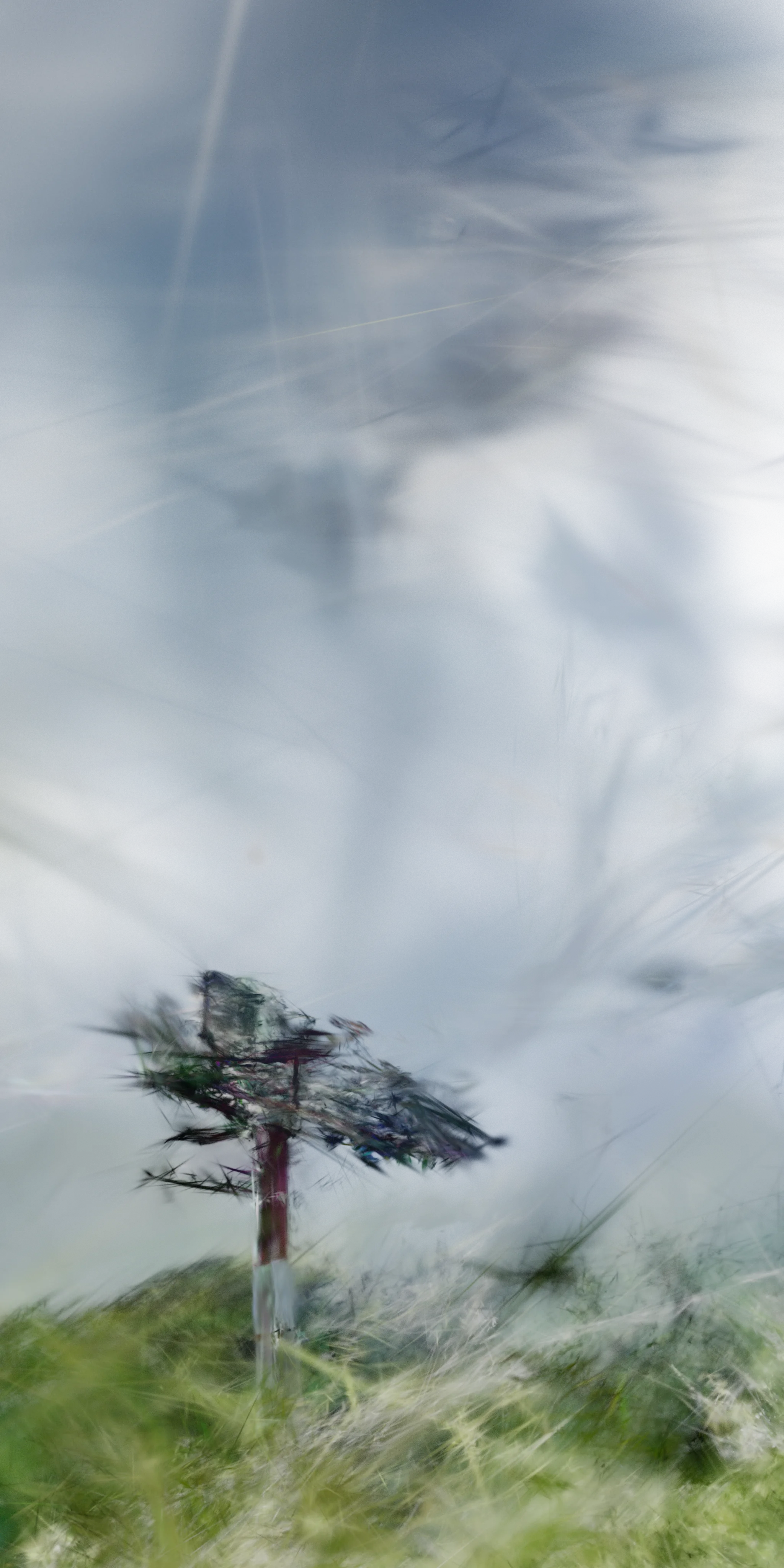
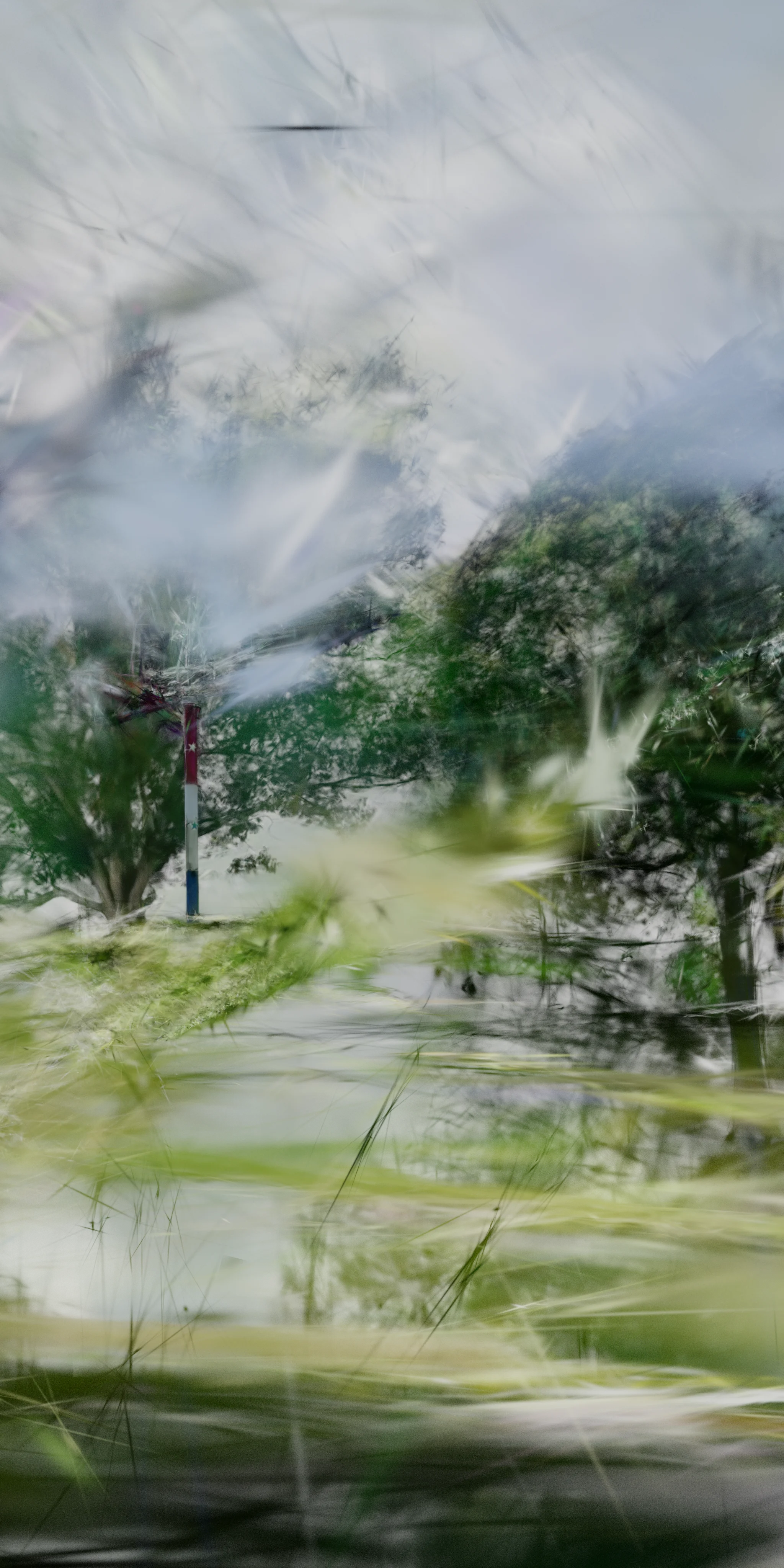
The sculptures in NCMA's park occupy a specific kind of space: public, exposed, embedded in the particular light and vegetation of central North Carolina. This project took those physical objects and recomposed them through a particle splatting process with each work exploded into constituent points and rendered at successive densities, somewhere between photograph and hallucination.
The numbers mark the progression. At low values, structure asserts itself. At high values, mass gives way to something more dispersed. Each series finds its own character at the threshold.
01
Mark di Suvero
Splat — 4 framesMark Di Suvero's No Mess is bold, industrial, and assertive in the landscape as it is, but through data, it translates through the particles into something cosmic. The angular orbs carry weight even scattered. At full dissolution the image reads less like an exploded diagram and more like a planetary event: mass converting to light, structure releasing into orbit.
02
Henry Moore
Splat — 5 framesMoore's outdoor bronzes always have an affinity with the landscape. They never quite sit on it, they settle into it. The particle treatment amplifies this: by the middle frames, the sculpture begins dissolving into hillside fog, no longer clearly separable from the light it sits within. By the final frame, the distinction between object and atmosphere has mostly closed.
03
Vollis Simpson
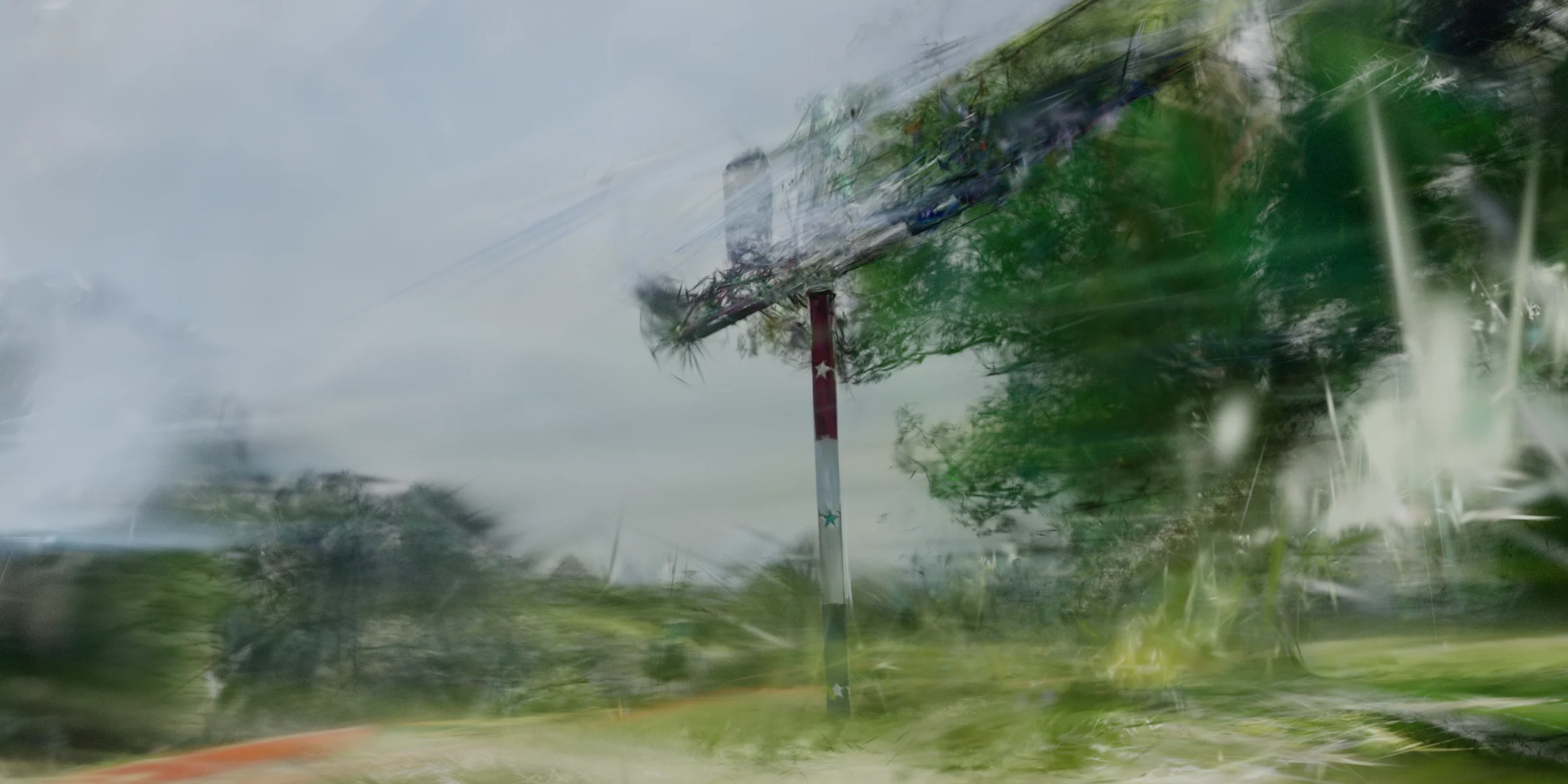
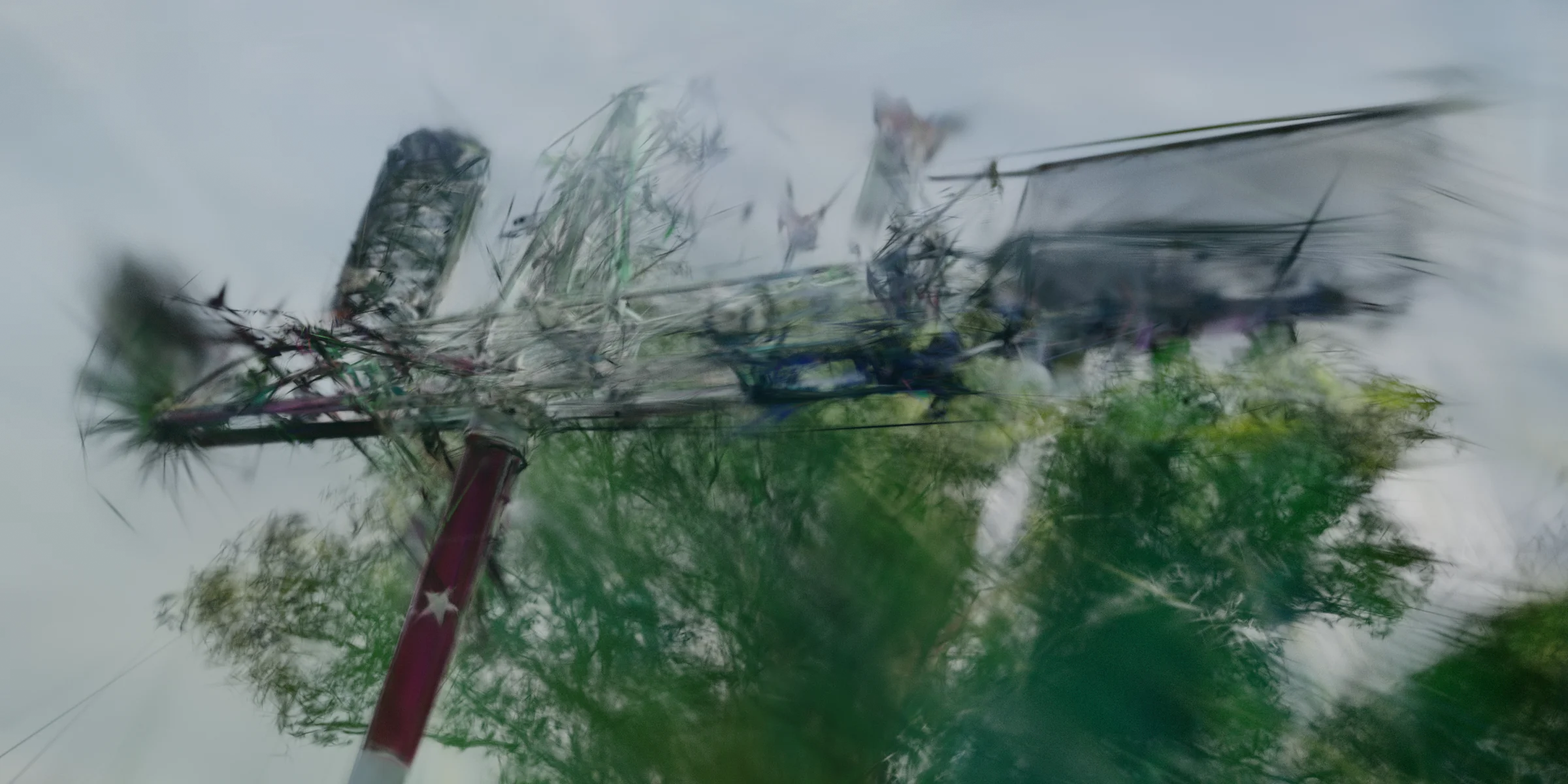
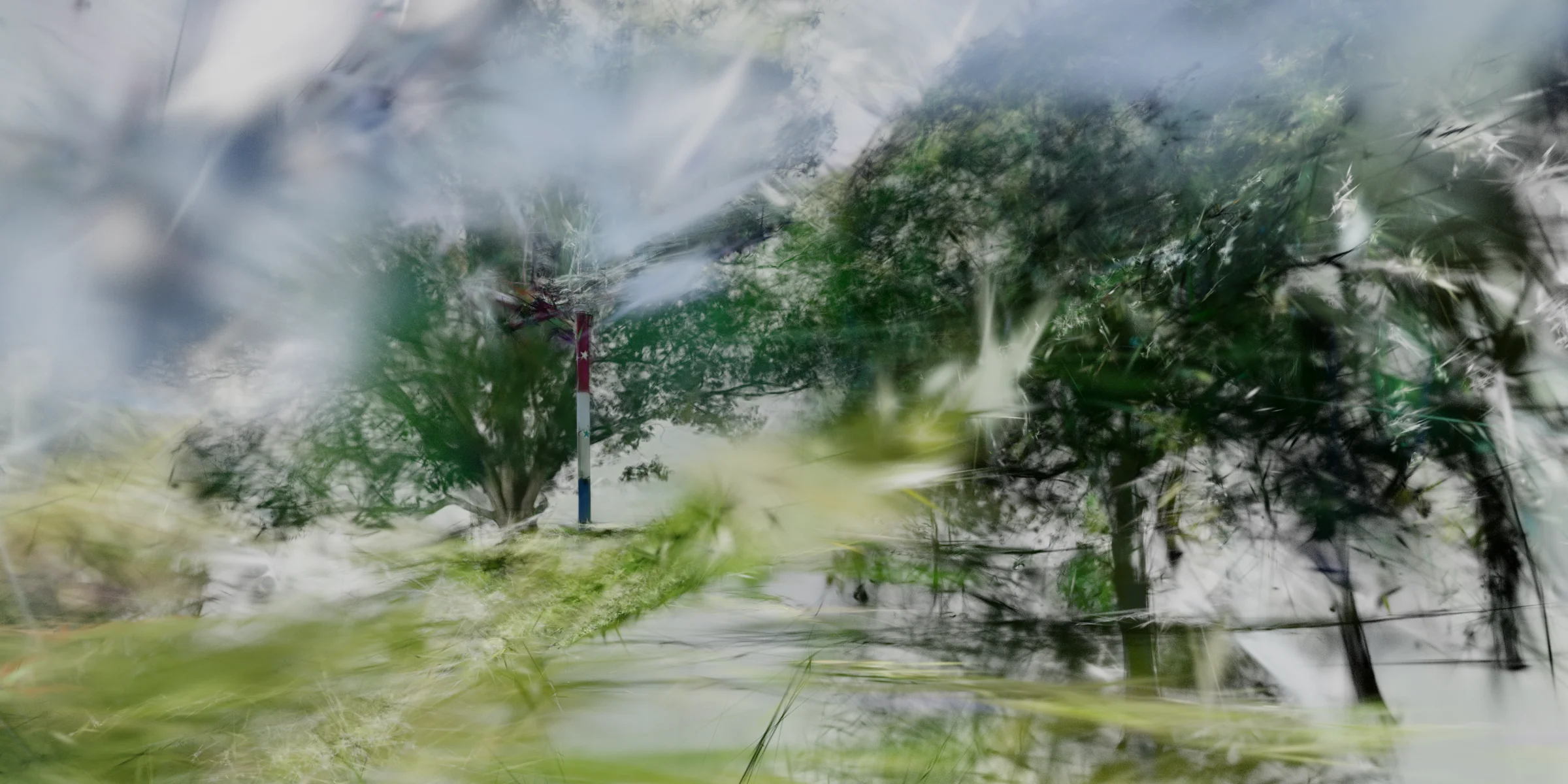
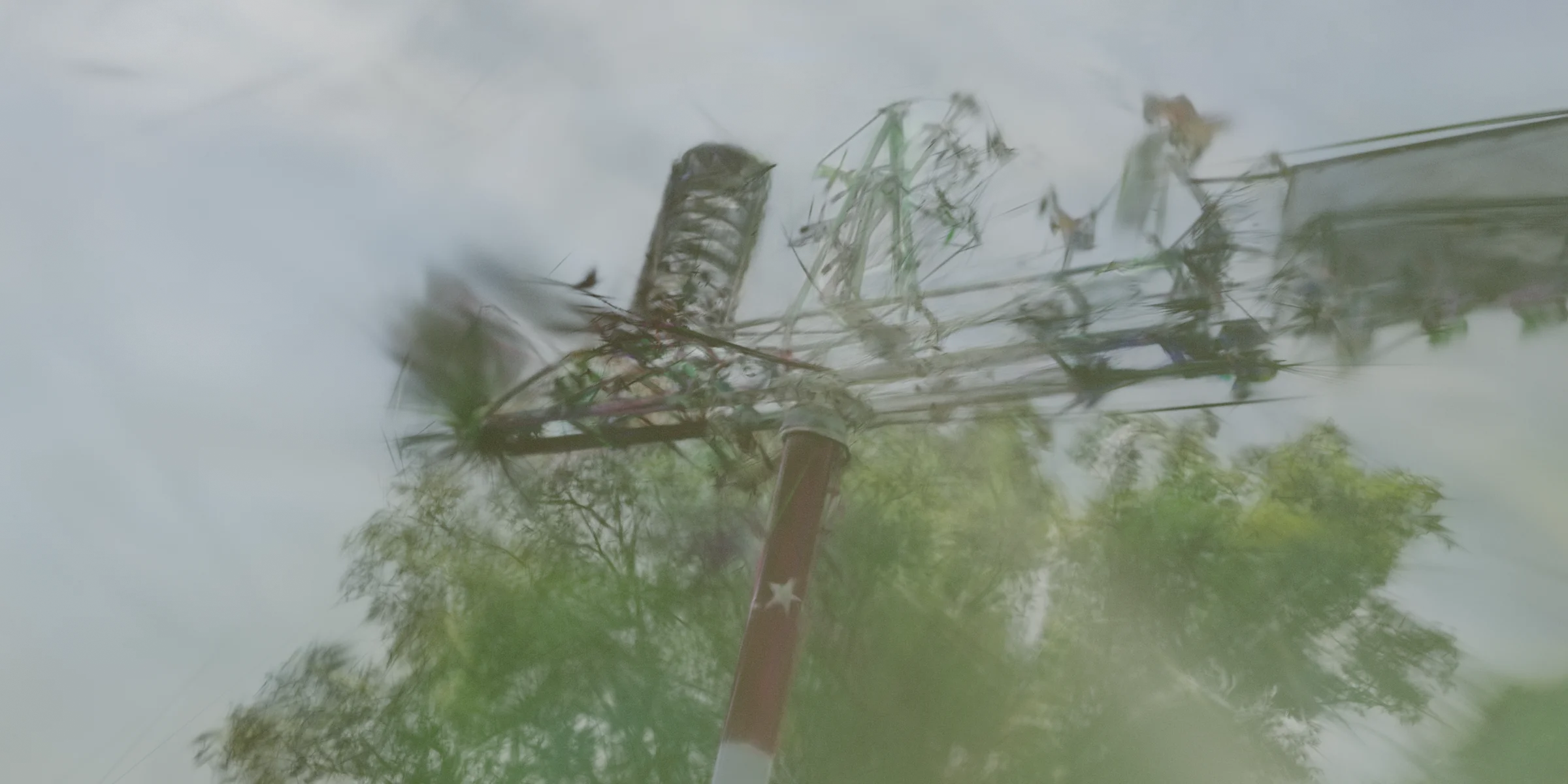
Splat — 8 framesSimpson's whirligigs are massive kinetic folk sculptures built from salvaged metal, light reflectors, and the wind. These renders carry that restlessness into a different register: the particle system disperses the structures into the surrounding tree canopy and sky, the boundary between made object and natural site becoming progressively less certain across the eight frames.
Role: Personal Project
Format: Drawing, Photography, Rendering, Animation
Year: 2026