A riff in the night
In 1965, Keith Richards woke up in the middle of the night, played a riff into the cassette recorder beside his bed, and fell back asleep. In the morning the tape held a few bars of guitar followed by a long stretch of snoring. The riff became "(I Can't Get No) Satisfaction."
I love this story, and lately I have been wondering how much of what I love most began the same way. The question arrived in my head fully formed: is everything that is truly great usually an accident? By great I mean transformative, to one person or to a great many.
I suspected the answer was yes. I went looking, and the question changed shape on me while I looked.
One microphone
I recently watched an interview with Aaron Dessner of The National. About thirty-six minutes in, he talks about "Terrible Love," the song that opens High Violet.
I am paraphrasing him here, but he is talking about spontaneity, the roughness and coolness of an early take that can't be recaptured, and how keeping it leaves you stuck with its imperfections. "Terrible Love" is his example. The demo became the lead track on the album.
For that demo he had Bryan Devendorf come over to record drums, and they had only one microphone. Bryan played a pattern of sixteenth-note kicks that is very hard to play, and he nailed it so completely that they got attached to the take. Dessner has said elsewhere that the single microphone is why the album version lacks punch and low end.
Then they played the song live for the first time, on Fallon, and felt they had made a huge mistake. It was far better when they simply played it together. Later that year they released an alternate version, cleaner and fuller, on an expanded edition of the album.
I keep going back to the first one. The song arrives in a haze, as if the band were playing in the next room, and the haze is what I recognize in the first two seconds.
What I love about this story is that it never settles. They kept the rough take because they were attached to it, then they regretted it, and some of us love it anyway. The accident, the keeping, and the second-guessing all belong to the same song.
The cracks
Art history has been telling this story for a long time, and Marcel Duchamp may be its patron saint. I am fond enough of him that my cat Tony is formally Anthony Marcel Hamilton. The work I think of first is The Bride Stripped Bare by Her Bachelors, Even, better known as The Large Glass.
Duchamp worked on it for eight years and stopped in 1923, calling it definitively unfinished. After an exhibition in Brooklyn in 1926, both panes shattered in transit. Nobody knew until the crate was opened years later.
In 1936 he spent weeks piecing the shards back together. Then he said he liked the cracks. They ran through the two panels in nearly matching arcs, and he chose to treat them as part of the work.
The piece stands in Philadelphia today with every fracture visible. I can't picture it without them.
Robert Rauschenberg has an even more literal case. In 1963 the limestone he was printing from broke in two. He started over on a new stone, and that one broke as well. So he set the fragments back on the press, printed the edition with a white gash running through the image, and titled it Accident. It won the grand prize at the Ljubljana print biennial that year.
Those two accidents happened to the artists. Other artists went out and set traps for them. Hannah Höch cut images out of magazines and let them collide until something true appeared. Julian Schnabel broke the plates on purpose and left the rest to how the shards fell and held the paint. John Cage composed with chance operations, and then wrote a piece made entirely of whatever the room happened to sound like. Yoko Ono (fittingly, Yoko is my other cat) wrote instructions and left the outcome to whoever followed them.
David Lynch may be the best later example. While he was filming the Twin Peaks pilot, a set dresser named Frank Silva was caught by accident in a mirror's reflection. Lynch kept the shot and built the character of BOB around him.
Dessner belongs with this second group. He has described himself as "misusing drum machines, as usual," which is one way of leaving the door open.
What the research can and can't say
I wanted numbers. There aren't good ones. Ohid Yaqub, who studies serendipity in science, has pointed out how little evidence exists on how often it happens or how much it matters.
The closest thing to a finding comes from the psychologist Dean Keith Simonton. His equal-odds rule holds that a creator's successes rise in proportion to their total output. The people we call masters made more of everything, including the forgettable work.
The evidence is mixed, and most of it comes from studying people who were already eminent. Still, it matches what the stories suggest. Richards had been playing guitar every day for years before that night. The accident found him because he was there to be found.
Davie
All of those stories are told in hindsight, after the accident has hardened into legend. I have a small one that is still soft.
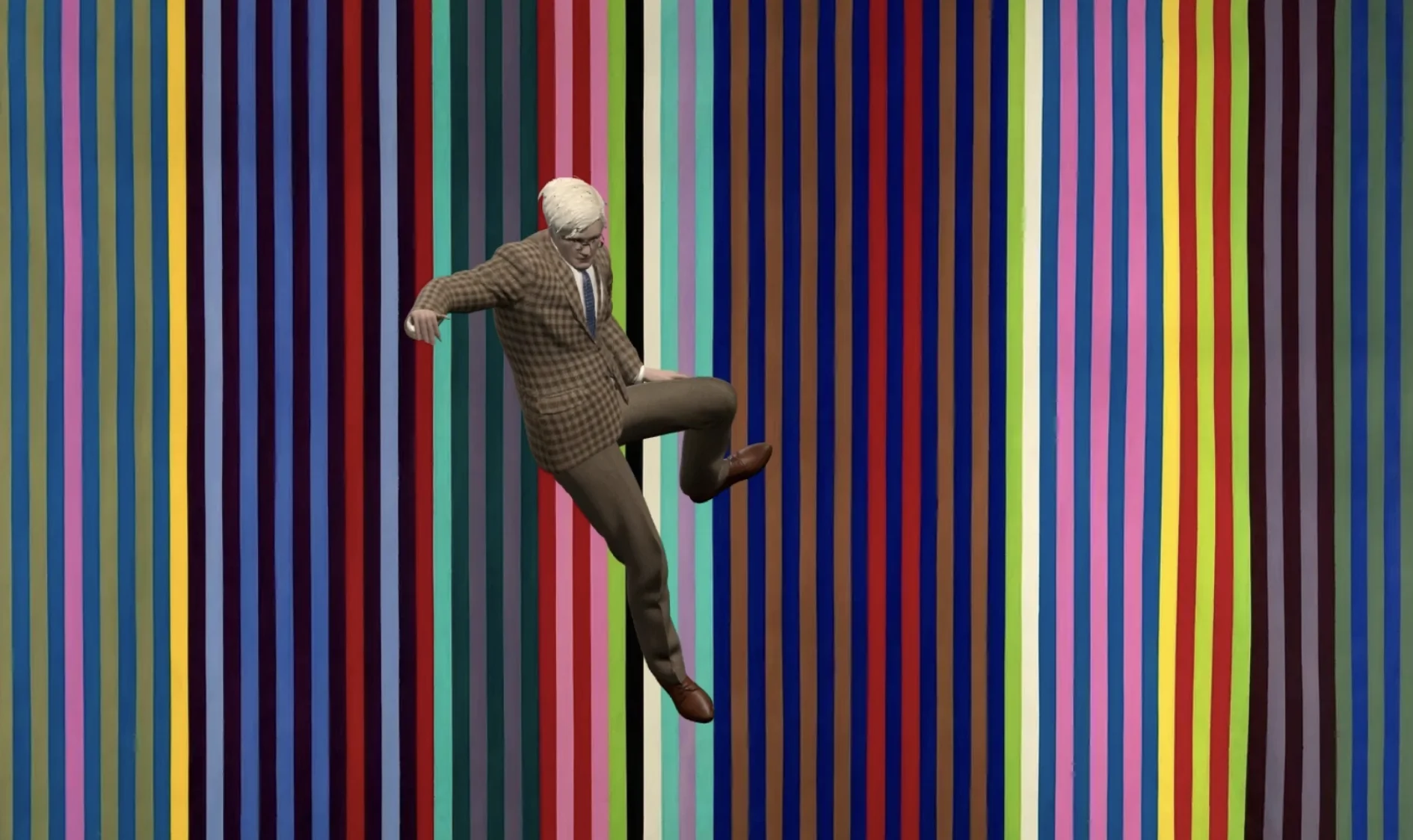
I have been building Ellsworth since May. It began as a way to find the stories of art history across museum collections. In Person is a new feature that lets you see the artwork in the collection at its actual size compared to a human. In this case, the human is a visitor named Davie. He is a tribute to David Hockney, who died this June. I chose him for his contributions to art and for how much he wrote about painting.
At some point I gave Davie the ability to run. Then slide. Then wall run. There is now a small figure sprinting through art history and sliding past the paintings, and it makes me laugh every time, especially when thinking of David Hockney as a Lara Croft-like character of the art world, exploring, discovering, and discussing artifacts from the past.
None of this was the plan. But the joy of creating it made me pay attention, and now I find myself thinking about art history games as a genre. I am also already building Art Heist, a game about stealing works from Ellsworth's growing collection. I can trace a line from a research tool to a cops-and-robbers maze, and I did not draw that line on purpose.
I have no idea whether any of it is great. It may be a funny thing my project did once. Because it is mine, I choose to keep it, and let it run.
Leave it running
Somewhere in all this, I stopped caring about the word great in my hypothesis. It's such a weak word, anyways. Greatness gets decided later and I have no say in it.
What the stories share is smaller and closer to hand. Richards left the tape running. The National let a demo stand at the front of the record. Duchamp glued the glass back together and let the cracks stay. In each case something unplanned showed up, and a person who had been working for a long time embraced it and let it continue.
So the question I started with has turned into a different one. What matters to me now is getting a thing started and letting it keep going through the ugly and imperfect phases. Spontaneity leads to moments that are difficult to recapture. Dessner is right that holding onto them leaves you with the imperfections too, and I would rather have both.
The accidents I am most grateful for have nothing to do with work. I kept two in my life. Tony and Yoko. From far away, the universe aligned their little lives on the streets of east Raleigh with mine on the west.
I did not plan for them, and they have changed my entire life. They have to be fed twice a day, plus treats.
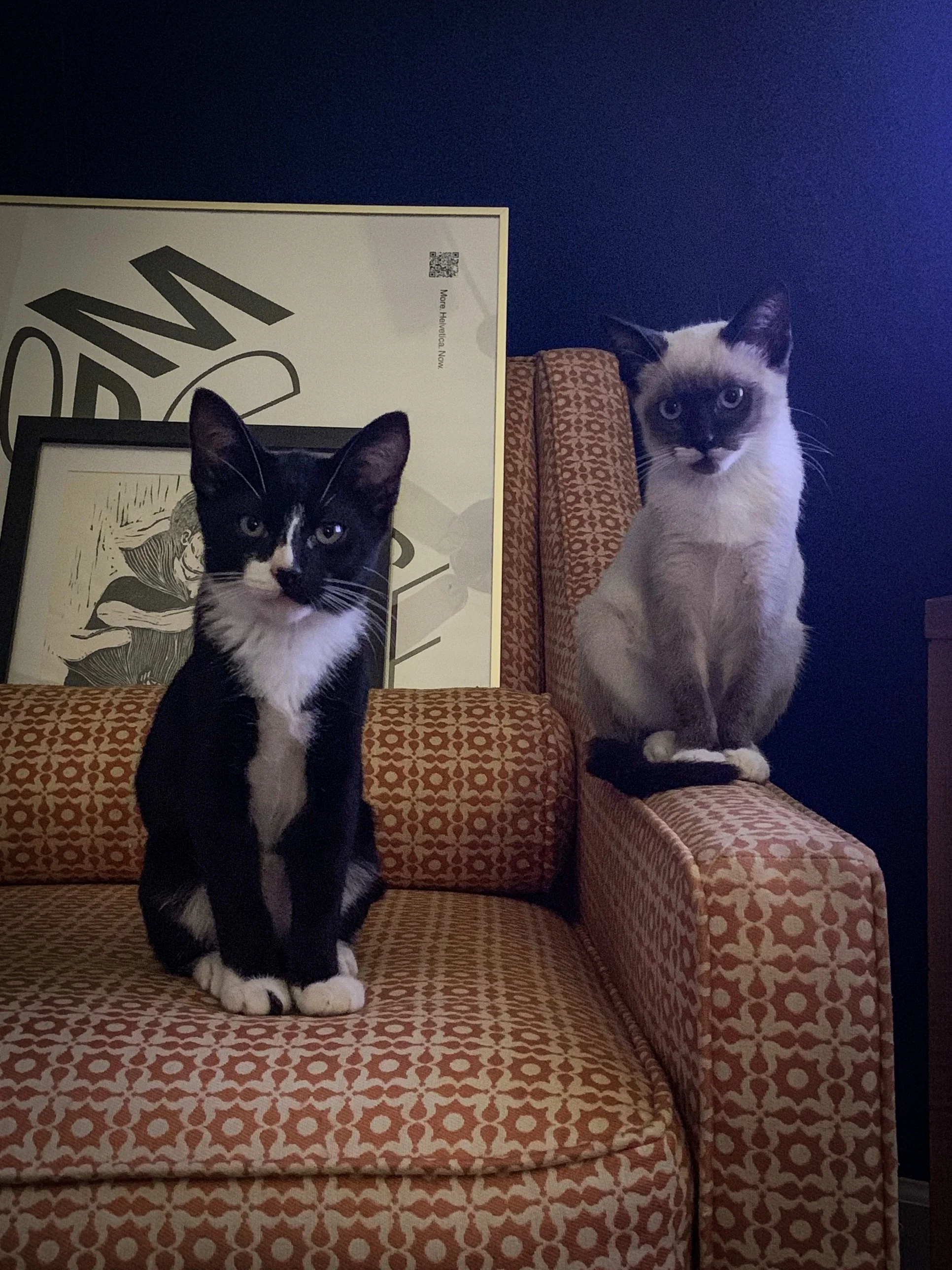
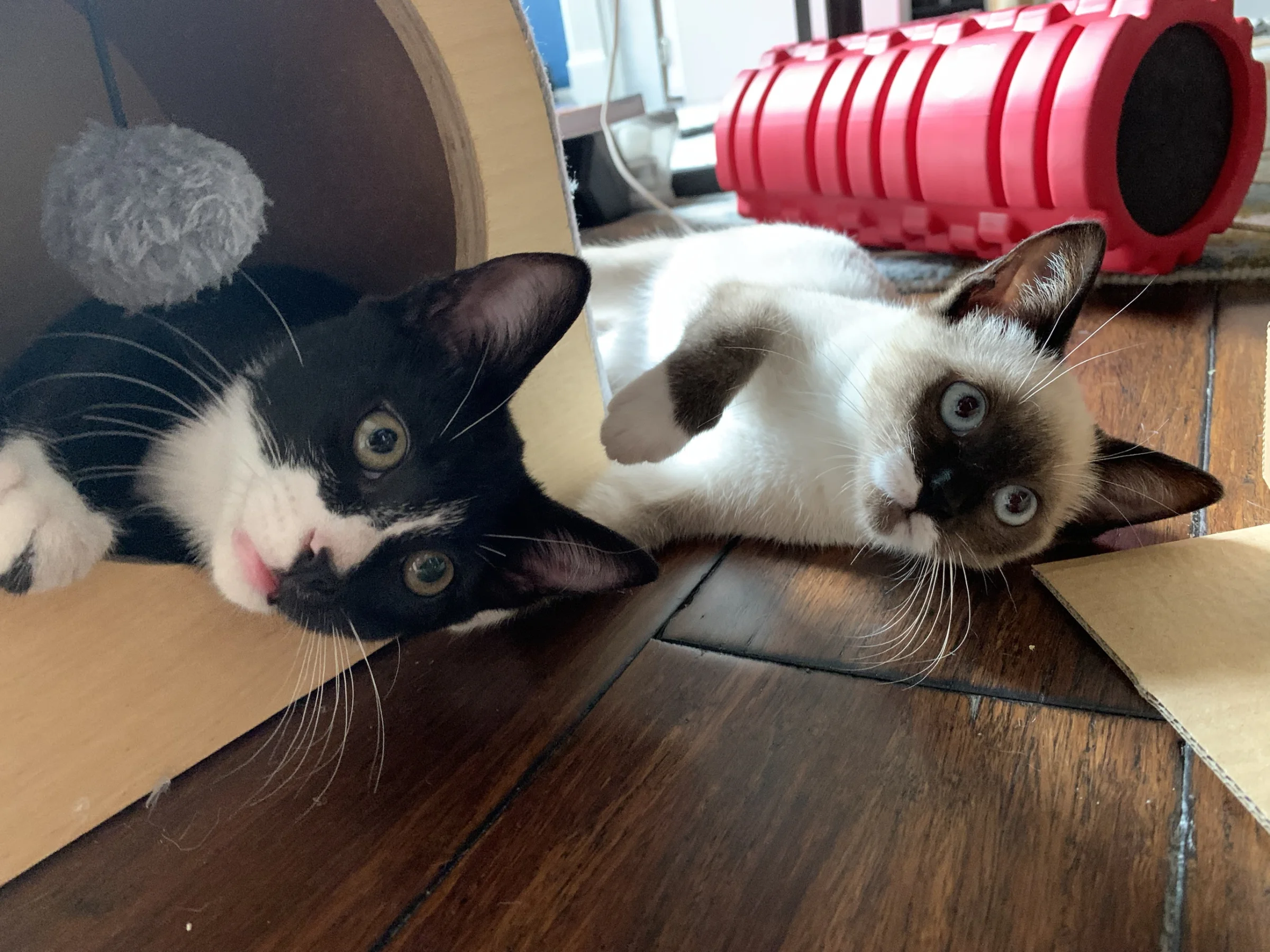
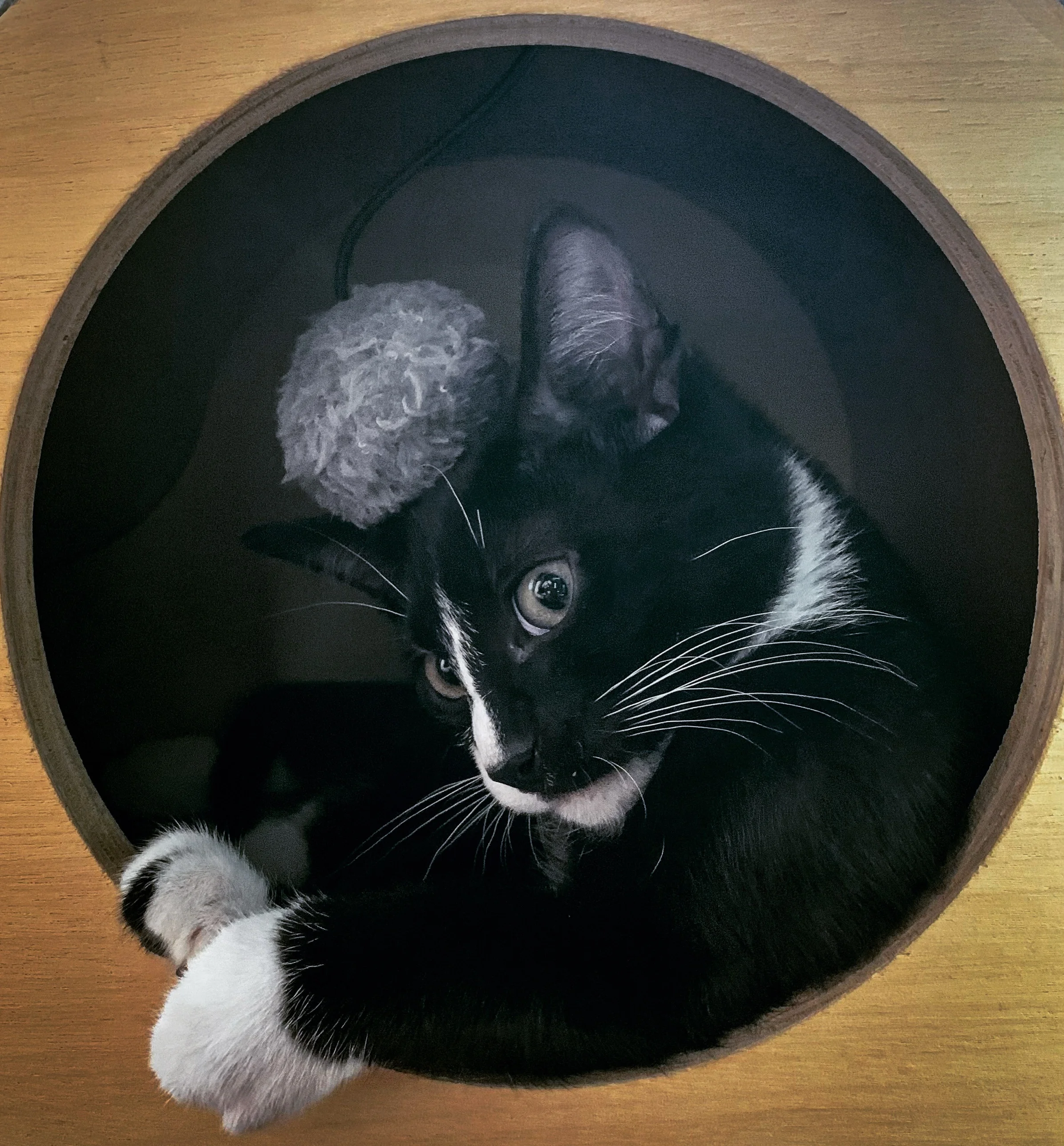
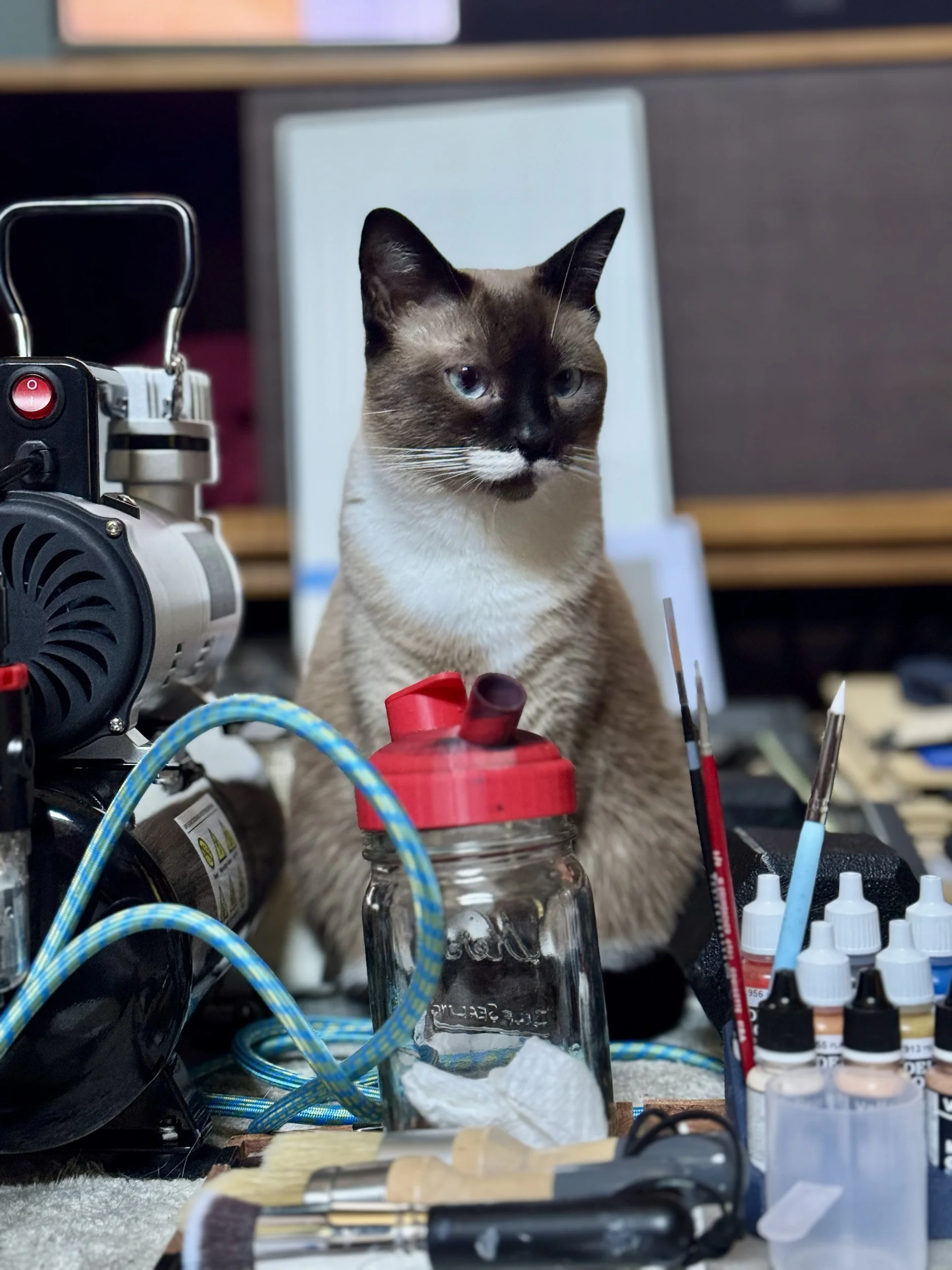
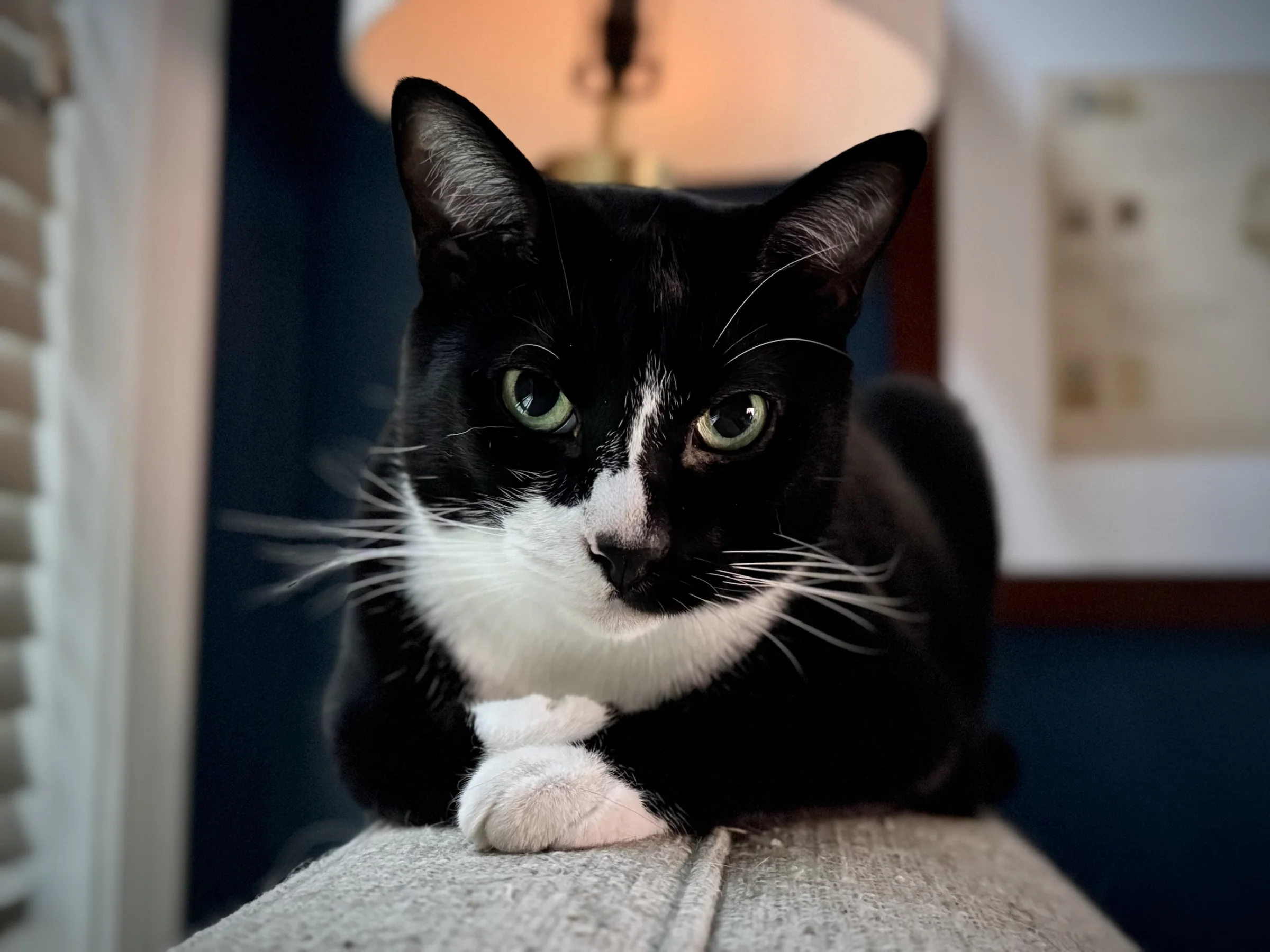
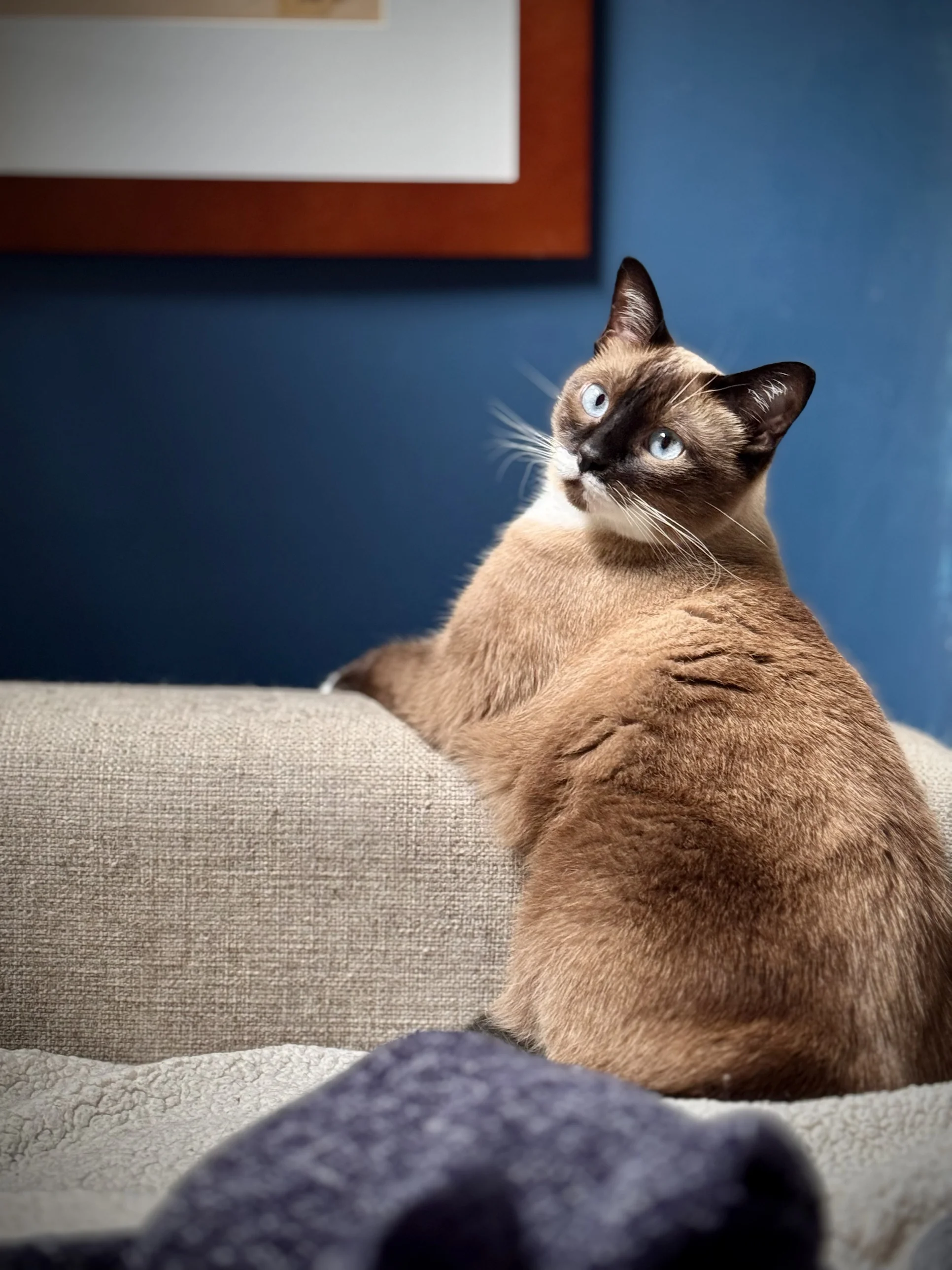
Talk to Tony and Yoko yourself. Open the cat chat in the lower right corner, turn your mic on, and press to talk. They will tell you all sorts of things about me and my projects. You can just type to them, too, and direct your questions to either or both of them.
These questions keep arriving while I make things. Sometimes I let them pass. This time I wrote them down. It may be my version of leaving the tape recorder running.
A few caveats
Nobody has a reliable number for how often great things begin as accidents. The research on serendipity says so itself, and I have not tried to invent one.
The equal-odds rule has mixed support, and most of the evidence comes from people who were already eminent. I use it here as a pattern that matches the stories, and nothing stronger.
The Keith Richards story comes from his own retelling, and the details shift between versions.
Aaron Dessner's account of "Terrible Love" is paraphrased from the interview linked below. The wording is mine. Watch the interview for yourself. It's a great interview anyway.
Sources
- Aaron Dessner interview — YouTube, on "Terrible Love," at 36:00
- Consequence, "Interview: Aaron Dessner of The National" — 2010, on the one-microphone drum recording
- FLOOD Magazine, "The National and Bon Iver Mourn a Loss of Innocence on 'Weird Goodbyes'" — 2022
- The National, "Terrible Love" — High Violet, 2010, the original album version
- The National, "Terrible Love (Alternate Version)" — High Violet (Expanded Edition), 2010
- NPR Fresh Air, "The Rolling Stones' Keith Richards Looks Back at 'Life'" — 2010, on the riff, the cassette recorder, and the snoring
- Philadelphia Museum of Art, Marcel Duchamp, The Large Glass — on the breakage and the 1936 restoration
- Baltimore Museum of Art, Robert Rauschenberg, Accident — on the two broken stones
- MoMA, Robert Rauschenberg, Accident — 1963
- Universal Limited Art Editions, Robert Rauschenberg, Accident — 1963, image and edition details
- SlashFilm, "The Origin of Twin Peaks' BOB Is Very David Lynch" — on Frank Silva and the mirror
- Yaqub, "Serendipity: Towards a taxonomy and a theory" — Research Policy 47(1), 2018
- University of Sussex, "Serendipity in research and innovation"
- Forthmann et al., on quantity, quality, and the equal-odds rule — Frontiers in Psychology, 2019